


5 Common Car Heater Problems and How to Fix Them
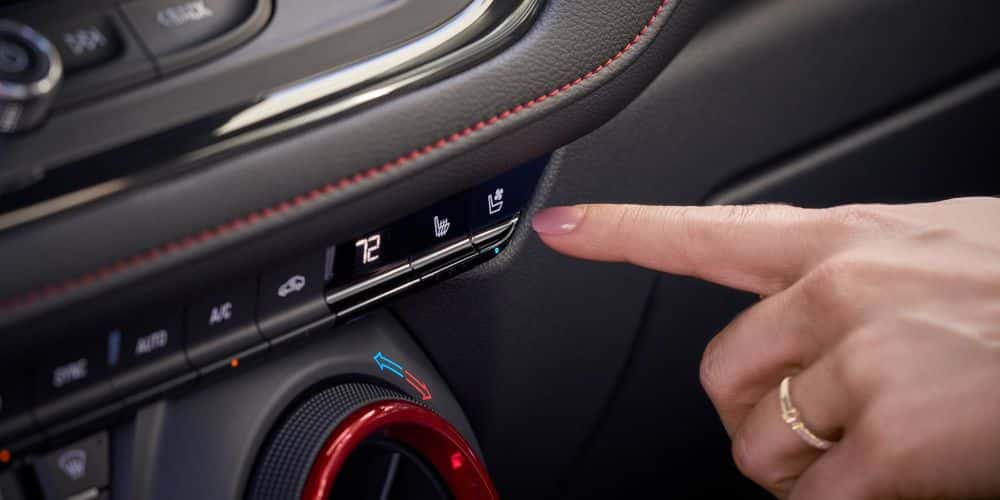
It’s getting to be that time of year again—the sun is setting earlier and it’s getting colder by the day, so the last thing you want is for your car heater to go on the fritz. Not only does it make for a miserable morning commute, but a broken defroster is incredibly dangerous in winter weather.
If you notice the heater in your car isn’t working, fret not, because the service experts at our Blue Springs Chevy dealership have you covered. Here are some of the most common car heater problems and what you can do to make them go away.
Low Coolant
Coolant, also sometimes known as antifreeze, is a crucial fluid that regulates the temperature of your engine. Its main function is ensuring the engine doesn’t get too hot or cold when temperatures fluctuate, but it’s also an essential component to the heating system.
In the car’s coolant system, warm coolant from the engine flows through a part called a heater core, and your car uses the excess heat that’s generated to blow warm air out of the vents. So, when there isn’t enough coolant in the system and the levels in the heater core dip too low, you may notice the vents only blow lukewarm or cold air. Other signs of low coolant include a coolant light on your dash or a higher-than-average engine temperature gauge, and this can turn into a major issue if it isn’t dealt with.
The Fix: Low coolant most often means there’s a leak somewhere in the system. You may be able to find the leak yourself—the fluid is usually brightly colored and has a thin consistency, so it’s easy to spot. However, there are many places in the system that coolant could be leaking from, so unless you really know your way around an engine, it’s best to bring it to your local service department to avoid costly engine repairs in the future.
Bad Cabin Air Filter
Your cabin air filter does exactly what the name implies: it filters particles out of the air that’s blowing into your cabin. Like any other filter, over time, it collects enough debris that it will need to be replaced. If it isn’t replaced, eventually, it can get so gummed up that it blocks the air entirely. If this occurs, you’ll likely notice reduced airflow whether you’re using the heat or A/C.
The Fix: Luckily, this problem is very fixable, even for someone who knows little to nothing about cars. Cabin air filters are relatively cheap to buy online or at an auto parts store, and almost all car manufacturers make them easy to access and swap out. They’re often tucked away behind the glovebox on the passenger side, and the process can be done in minutes.
Faulty Blend Door
A blend door is a small flap that directs the flow of air through your car’s climate control system. In most modern cars, they’re responsible for ensuring hot air from the heater core and cold air from the A/C evaporator comes out in the right proportion based on how you have the temperature adjusted. In cars with multi-zone climate control, they also ensure that different zones blow at different temperatures.
Blend doors work using a series of electronic actuators, and if one of these actuators shorts out, the blend door can get stuck in a single position, so if your car only blows one temperature no matter how you adjust the settings, a blend door should be one of the first things you check. Another sign of a broken blend door is different temperatures blowing in a vehicle with dual climate control.
The Fix: If the problem is an actuator, you may be able to do an electronic reset, which can sometimes be found in your owner’s manual. However, this issue often requires a professional technician because the system is complicated and not always easily accessible.
Broken Thermostat
The thermostat is another important part of the car’s coolant system. It’s an electronic component that regulates the flow of coolant to keep the engine running at the optimal temperature.
A thermostat going bad is relatively common, and when it breaks, it’s designed to break in the “open” position, which causes coolant to flow freely and makes it difficult for the engine to heat up to its proper level. This, in turn, means not enough hot coolant will reach the heater core, which will reduce the amount of hot air the system can pump into the cabin.
The Fix: A busted thermostat will need to be replaced, and the part itself is often inexpensive. However, some cars are relatively easy to replace a thermostat in, and some are not, so before you go out and buy the part, be sure to inspect the job to make sure it’s within your means. If not, you may need to visit the shop, but luckily, the job usually isn’t all that pricey.
Busted Heater Core
We’ve mentioned the heater core a couple times by now, so you should have an idea of how important it is to the heating system. Basically, it’s the main source of heat in your vehicle, and if it goes kaput, it’s likely you won’t get anything but cold air.
A few things can happen to the heater core over time. Most commonly, it becomes clogged up with old, dirty coolant. Coolant system flushes are a part of routine maintenance, and if you don’t have it performed according to your owner’s manual guidelines, you run the risk of parts breaking or the car overheating.
An old worn-out heater core can also develop a leak, especially if it’s clogged for a long period of time. If this happens, you may experience a variety of things, including a sticky substance on the inside of the windshield, a sweet or syrupy smell in the cabin, a wet spot in the passenger floorboard, and coolant loss.
The Fix: If the heater core is simply clogged, the problem can often be fixed by simply doing a coolant flush, which involves running clean water through the system and isn’t expensive. However, if the heater core is leaking, it may be broken and need replacing, which can be costly because it’s generally beyond the skillset of all but the most experienced DIY mechanics.
Frequently Asked Questions
How much does it cost to fix a broken car heater?
It depends on exactly what’s wrong with the heating system. If it’s something simple like a cabin air filter or clogged heater core, it may only cost a couple hundred bucks, or you may even be able to do it yourself for less. However, if there’s a major problem like a broken heater core, it could cost significantly more.
Can I drive my car if the heater isn’t working?
In the summer, you may be able to get by without a car heater for months, but in the winter, having no heat poses a significant risk because you don’t be able to defrost your windows or heat your vehicle. Heater problems are also sometimes a sign of a serious underlying issue like low coolant, so we recommend getting it fixed as soon as possible.
Why is my car blowing heat on one side but cold on the other?
If you have a car with dual climate control and both sides aren’t blowing at the same temperature, the most common cause is a faulty blend door. Other less common causes include a faulty cabin air sensor or an electrical issue in the control module.
Will my car heater work without the engine on?
No, your car’s heater relies on heat transfer from the engine running. The fan will work, but no hot air will blow if the engine is turned off.
Why is there fluid dripping from under my car with the heater on?
Your car’s heating and cooling system produces condensation, and this condensation is designed to drop out the bottom of your car, so it may just be water, which is completely normal. However, if the fluid has a bright color and is slightly viscous, it could be coolant leaking, which will require repairs.
Schedule Car Heater Repair in Blue Springs, MO
If you notice your car heater going out, don’t wait until the snow starts flying. At Molle Chevrolet, we have a top-notch Service Center with technicians trained to work on any car, as well as a variety of service specials to help save you money on quality auto repair.
Schedule service online today, or call our service line at (877) 700-4784 with any questions.
0 comment(s) so far on 5 Common Car Heater Problems and How to Fix Them